AI Overviews Are Reshaping Local Search. Here's What to Do About It.
Google's AI summaries now sit above the Map Pack on 15% of searches. They're not killing local SEO, but they are exposing weak profiles faster. Here's how to show up in both.

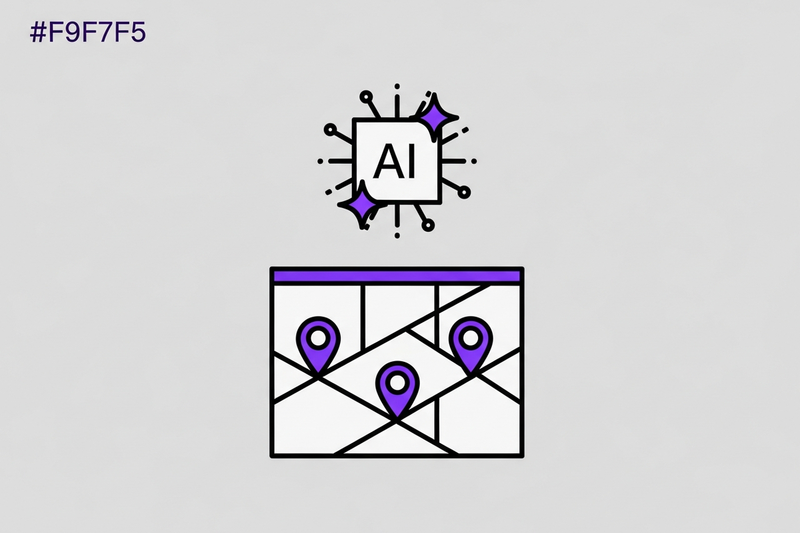
Search your own business on Google right now. Chances are, the results page looks different than it did six months ago. A Gemini-generated summary sits above the Map Pack, pulling details from your profile, your reviews, and your competitors' sites. It may mention you. It may not.
AI Overviews don't replace local SEO. But they do change where attention lands first. In March 2026, these summaries appear on roughly 15 to 16 percent of searches, including many local ones. Your job is now two-fold: win the Map Pack and give Google enough clean, trusted signals to mention you in the summary.
How AI Overviews change local search behavior
AI Overviews sit at the top of the results page and frame the choice before anyone taps a listing. On local searches, that can push the map lower and pull attention away from your site.
That matters because fewer people need to click. These summaries, powered by Gemini, pull from business profiles, reviews, and websites to give quick answers. Current March 2026 tracking shows clicks can fall by up to 61 percent on searches that trigger AI summaries.
Here's what shifted:
Before: Users compared maps and blue links first. Now: AI sets the frame before anyone scrolls.
Before: Websites got more research clicks. Now: Many users stop on the results page.
Before: Rankings felt like the main score. Now: Mentions and actions matter more.
The Map Pack still wins about 45 percent of local clicks, while organic results get about 35 percent. This isn't a funeral for local SEO. It's a shift in where trust gets built.
If impressions rise while clicks flatten, the page isn't broken. The search habit changed.
What helps you show up in AI and Maps now
The lazy advice is still "write more blog posts." For most local businesses, that's not the first move. Local discovery starts with your Google Business Profile, reviews, and the Map Pack, not a long article about pipe maintenance.
Your Google Business Profile does the heavy lifting
Google leans on your Google Business Profile because it's structured, local, and easy to parse. If your category is off, your services are thin, or your hours are outdated, you hand AI bad ingredients.
Focus on the parts that move local visibility:
Categories and services: Match what you sell and where you sell it.
Attributes, hours, and Q&A: Fill the details people check before calling.
Photos and posts: Keep the profile active and believable.
Tracking: Connect GBP activity to calls, forms, and directions.
People scan stars, distance, photos, and service fit. Your site helps close the deal, but your profile gets you on the shortlist. Clean business data and recent activity help AI trust what it shows.
Reviews now help rank and convert
Reviews were never just social proof. In 2026, they're fuel. Volume matters. Freshness matters. The words inside reviews matter too, because review sentiment helps Google connect your business to real services and places.
A home services company moved from Map Pack position 9 to 3 in 60 days after coordinated work on GBP, reviews, citations, and tracking. Calls rose 38 percent. A med spa lifted its average rating by 1.1 stars in 90 days and doubled bookings.
If you want one quick win, fix your review flow. Ask every happy customer. Follow up once or twice. Reply to every review. Keep it weekly. Cadence beats stunts.
Your website's job changed
Your site now supports AI more than it used to. It gives Google detail, proof, and consistency. Service-area pages, FAQs, schema markup, case studies, and contact info all feed the machine.
Keep those pages plain and specific. Show the service, the city, proof of work, and the next step. Keep your name, address, and phone consistent across major listings. A focused cleanup of local citations does more than another monthly software bill.
How to measure local SEO when AI takes the first click
If you only watch rankings, 2026 will make you dizzy. AI summaries shift. Click-through rates bounce. Some searches end before your site loads. You need a better scoreboard.
Track these first:
Map Pack and local organic positions for your high-intent queries
Calls, forms, and direction requests from local search
Review volume, rating, and pace
Visibility across your service area, not just one ZIP code
Those are the numbers that pay bills. They also keep you honest. Pretty rankings don't matter much if calls don't move.
Keep your readout simple. If impressions rise, clicks dip, and leads stay flat or go up, you may still be winning. If impressions rise and leads fall, something is off: profile quality, review pace, or weak service pages.
Give it a real runway. Most local businesses see meaningful movement in 30 to 90 days when they tighten GBP, reviews, citations, and tracking at the same time. Weekly consistency matters more than one-off projects.
Paid search still has a place, especially during busy seasons. But once the budget stops, the visibility stops. A strong local presence keeps working after the ad meter goes quiet.
The bottom line
AI Overviews aren't killing local SEO. They're exposing weak local SEO faster. If you want to stay visible in 2026, tighten your Google Business Profile, build a steady review flow, sharpen your local pages, and measure calls and forms, not vanity charts.
If you want a calm way to handle all of it, see how Curve's $500/month plan works.